
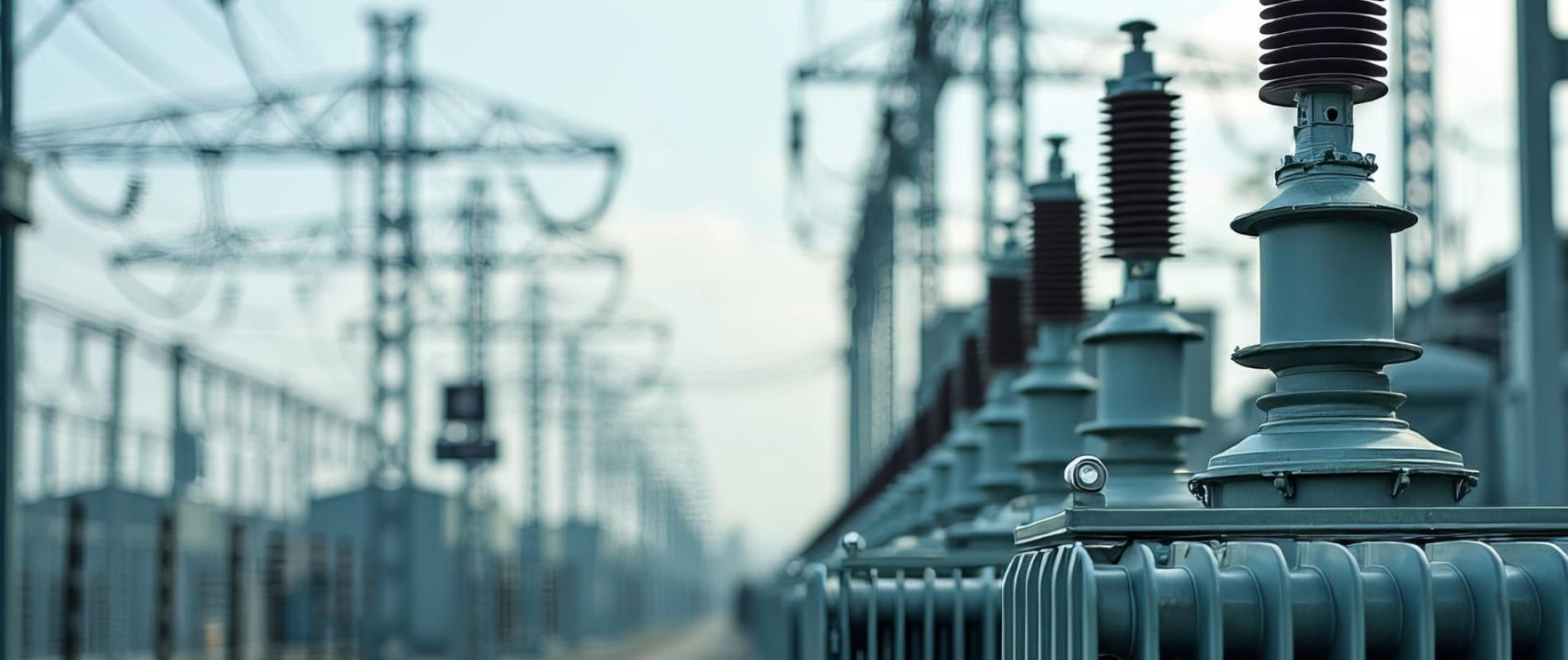
If you look closely at the top terminal where the overhead line connects to a porcelain bushing, you will see a big copper thread, a couple of heavy nuts, and a series of thin, slightly bent metal rings under those nuts.
New mechanics often ask why we cannot just use a simple flat bolt and torque it down as hard as possible with a wrench. The answer comes down to how metal behaves when the temperature swings.
Metal stretches when it gets hot
Every metal expands when it gets hot and shrinks when it cools down. The problem is that the copper rod coming out of the bushing, the aluminum cable lug, and the steel bolt holding them together do not expand at the exact same speed.
During the hottest summer afternoon, when the factory is running at full load, current pouring through the terminal makes the copper and aluminum expand fast. At night, when the factory cools down and the wind picks up, the metal contracts again.
If you just tightened a standard bolt against a flat surface, this constant stretching and shrinking would slowly loosen the nut. Within a few months, the joint would become loose.
The disaster of a loose terminal
As we know from daily life, a loose plug on an appliance creates tiny sparks and gets hot fast. On a high-voltage transformer, a loose terminal connection is even worse.
A loose joint creates high resistance. Resistance produces massive heat. That heat expands the metal even more, which loosens the nut further.
If nobody catches it, the heat gets so extreme that it bakes the rubber gaskets right below the terminal, causing oil to leak out, or completely melts the copper threads right off.
This is where that bent little metal ring—the spring washer or Belleville washer—comes to the rescue.
When you tighten the nut with a torque wrench, you squash the spring washer completely flat. The washer acts like a heavy-duty, trapped steel spring that is constantly pushing outward against both the nut and the metal lug.
When the copper rod gets hot and expands, the spring washer flexes to absorb the extra thickness without stripping the threads. When the joint cools down at night and the metal shrinks back, the washer expands outward, filling the gap and keeping constant pressure on the metal faces.
Because these spring washers spend years being squashed down under heavy pressure and weathering heat, they eventually lose their "bounce."
Whenever you open a top terminal during routine maintenance to clean or change a connection, never put the old, crushed washers back on. Always toss them in the scrap bin and put brand-new spring washers in their place. It costs just a few cents, but it stops a high-resistance hot spot from melting your terminal down the road.



WeChat Official Account
+86-757-81230551
+86-18925992735
