
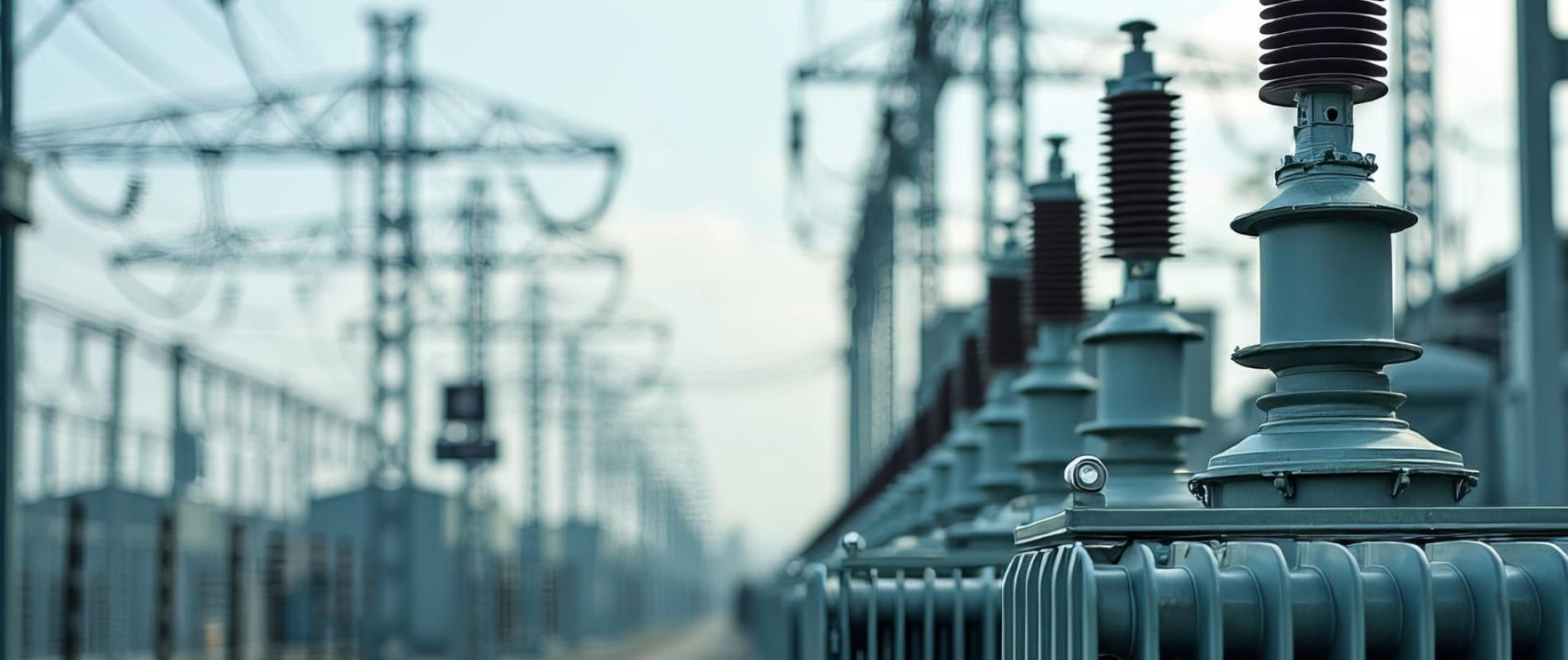
If you have ever stood near a large power transformer, you might have noticed a small glass pipe or a gauge on the side showing liquid levels. That liquid is transformer oil. People often ask why a big steel machine full of copper and ceramic needs gallons of oil sloshing around inside it.
High-voltage electricity is powerful and aggressive. It is always looking for a way to jump from the live copper wires to the steel walls of the transformer box. If the inside of the transformer was just filled with regular room air, the electricity would easily bridge the gap. It would create continuous, dangerous sparks that would destroy the machine in seconds.
You could space the wires miles apart to stop this, but then the transformer would have to be as big as a house. Instead, engineers fill the tank with special mineral oil. Electricity has a very hard time traveling through clean oil. The oil acts like an invisible, liquid shield that smothers sparks before they can even start.
When a transformer is working hard to power a whole neighborhood or factory, the copper coils inside get scalding hot. If that heat stays trapped inside the coils, the insulation paper wrapped around the wires will bake, become brittle, and fall apart.
The oil serves as a liquid cooling system , much like the coolant in your car engine . When the oil comes in contact with the hot coils it heats up and rises to the top of the tank . It then flows through the thin metal radiator fins on the outside walls, cools down as the wind blows over the fins, and sinks back to the bottom. This constant circulation keeps the inside temperature safe.
This is where the ceramic insulators (bushings) on the roof come in. The live power lines have to get from the outside air into that oil-filled steel tank without touching the steel edges.
The ceramic insulator acts like a long tunnel. The copper wire goes straight down the middle of the ceramic pipe. The upper half of the ceramic sits outside in the air, while the bottom half dips deep down into the transformer oil.
Without the oil surrounding the bottom part of the ceramic, electricity would just jump off the bottom end of the wire and hit the inside steel wall of the tank. The ceramic and the oil have to work as a team to keep the power completely sealed in.
Because transformer oil has to stop thousands of volts, it must stay completely pure. The biggest enemy of transformer oil is plain water. Even a few drops of rainwater getting past a bad rubber seal on the ceramic insulator can mix with the oil.
Water conducts electricity, so wet oil loses its ability to block sparks. That is why maintenance crews spend so much time checking for oil leaks and replacing old rubber gaskets around the ceramic bases. Keeping the oil dry is the only way to keep the whole transformer alive.



WeChat Official Account
+86-757-81230551
+86-18925992735
