
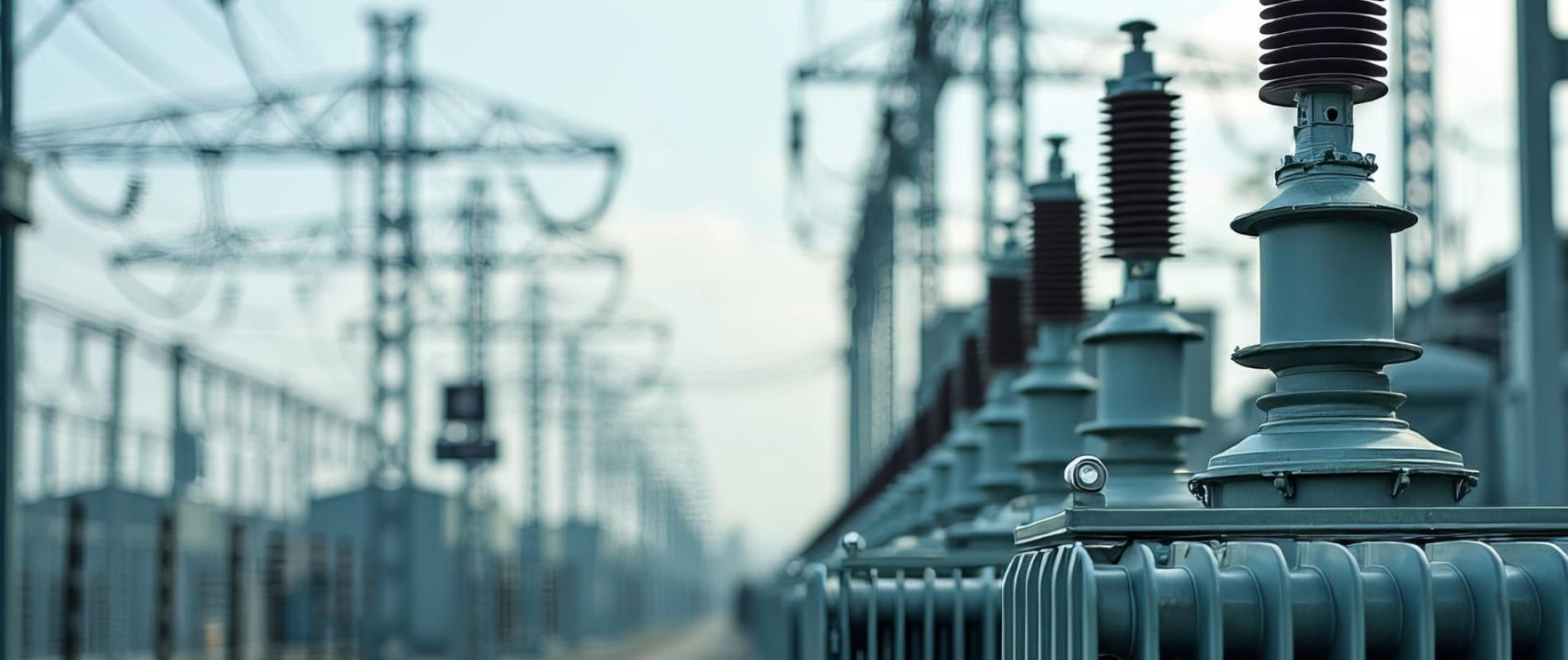
If you look at modern machines today, almost everything is built out of light plastic, carbon fibre or high-tech composite materials. But when you look at a transformer station, you still see these heavy, brown ceramic pieces everywhere. It makes people wonder why power companies still rely on heavy, breakable ceramic when we have so many cheap plastics today.
Plastic melts when things get hot
The main reason is heat. High-voltage power lines carry massive amounts of current. The metal wires become very hot during hot summer days , or when something goes wrong . Regular plastics will melt , lose their shape and soften under continuous heat .
Ceramic is fired in giant kilns at temperatures above 1,200 degrees Celsius during manufacturing. It does not care about heat at all. You can run massive amounts of power through the center wire for fifty years, and the ceramic around it will never melt, sag, or change its shape.
The sun destroys plastic over time
Another big issue with outdoor equipment is the sun. If you leave a plastic bucket or a plastic chair outside in your garden for two or three years, it gets chalky, brittle, and breaks easily. This happens because the ultraviolet (UV) rays from sunlight break down the chemicals inside the plastic.
Ceramic is basically cooked clay and stone. The sun cannot break down its chemical bonds. A ceramic insulator can sit in the direct desert sun for forty years without losing its strength or fading. Water, oil, and atmospheric pollution cannot react with it either.
Electricity can burn through plastic
When high-voltage electricity tries to crawl across a surface, it creates tiny sparks. If these sparks happen on a plastic surface, the heat burns the plastic and leaves a black trail of carbon. Carbon conducts electricity, so that black trail acts like a permanent copper wire, ruining the insulator forever.
Ceramic does not burn into carbon when sparks hit it. Even if a lightning bolt hits the line and creates a massive flash of fire over the surface, the ceramic usually survives with just a bit of soot that you can wipe off with a wet cloth.
Where composite materials are used today
You will occasionally see lighter "rubber" or composite insulators on newer power lines today. They use a fiberglass rod on the inside and a flexible silicone rubber skin on the outside. They are great because they are light and do not shatter if you drop them.
However, for heavy-duty transformers that need to sit in one place for thirty or forty years without any human touching them, classic ceramic is still the most reliable and cost-effective king of the yard.



WeChat Official Account
+86-757-81230551
+86-18925992735
