
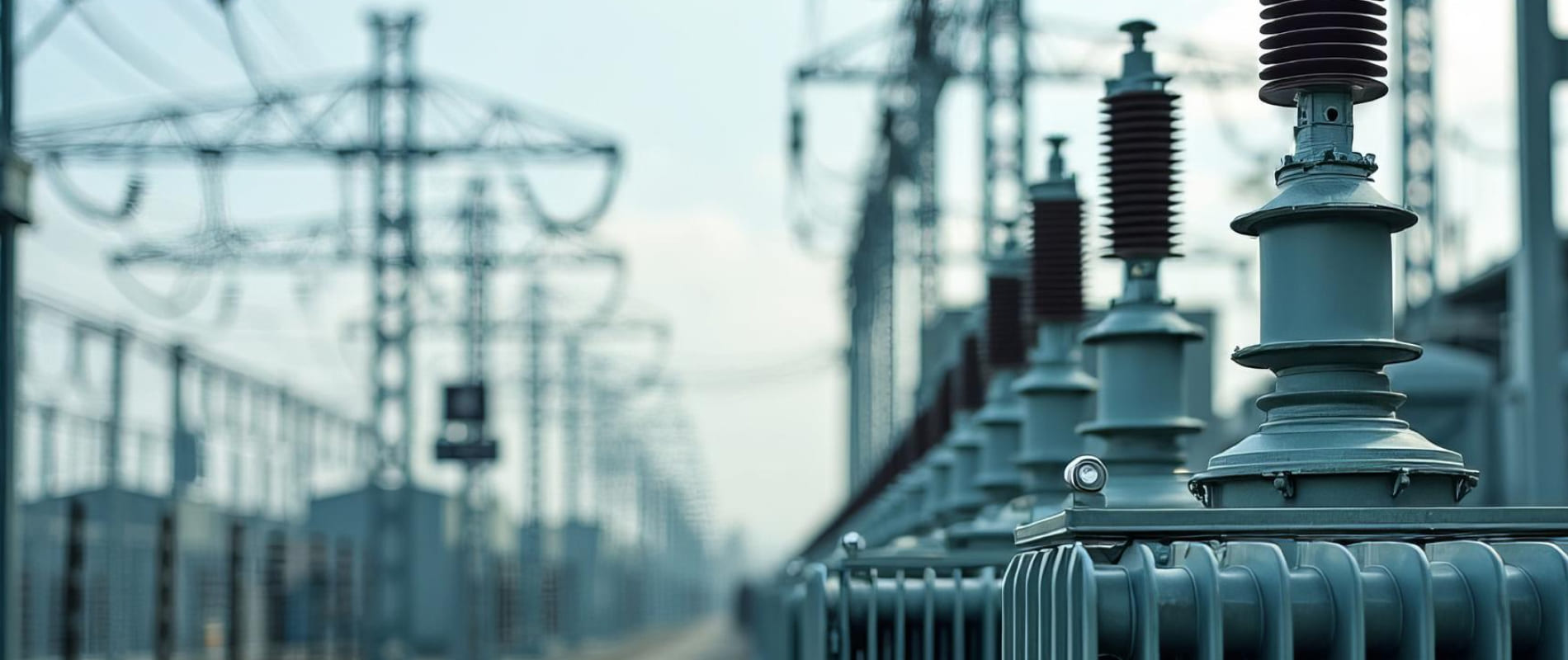
The top terminal of a bushing is the main bridge between the outside power lines and the inside of the transformer. Because it sits right at the top, it is easy to see, but people often forget to check how tight the connection is. A loose joint here is one of the quickest ways to destroy a perfectly good bushing.
When electricity flows through a tight metal connection, it moves easily. But if the bolts are loose or the surfaces are dirty, the electricity faces resistance. In the electrical world, resistance creates heat. The more power running through that loose joint, the hotter it gets. During peak hours when the factory is running at full speed, that small loose spot can heat up to hundreds of degrees.
You don’t always need an infrared camera to spot this issue. When the copper or aluminum terminal gets too hot, the metal reacts with the oxygen in the air. This makes it change color. It will lose its bright metallic look and turn dark brown, deep blue, or purple. If you look at the top terminal during your daily walk and see that the metal looks "burnt" or discolored, you have a hot spot that needs fixing right away.
The dangerous part about a hot top terminal is that the heat doesn't stay in one place. It travels down the heavy copper rod right into the body of the bushing. Just a few inches below the terminal sits the top rubber seal. This rubber gasket is made to handle normal weather, but it cannot survive the intense heat coming down from a bad connection. The rubber will bake, turn brittle, and crack. Once that happens, oil will start leaking out from the top.
When a connection is hot and loose, weather changes make it worse. If it rains suddenly, the cold water hits the hot metal, causing it to shrink quickly. This constant heating up and cooling down makes the bolts back out even more over time. Also, rainwater can seep into the tiny gap of a loose connection, causing corrosion inside the threads. Rust is a terrible conductor, so the resistance and heat will jump even higher.
Whenever you connect a cable or a busbar to the top of the bushing, make sure both metal surfaces are completely clean. Use a wire brush to remove any dull oxide layer on the metal until it shines. Apply a thin layer of electrical joint compound to keep air and moisture out. Finally, use a torque wrench to tighten the nuts to the exact specification. A tight, clean connection stays cool and keeps the whole system running smoothly.



WeChat Official Account
+86-757-81230551
+86-18925992735
