
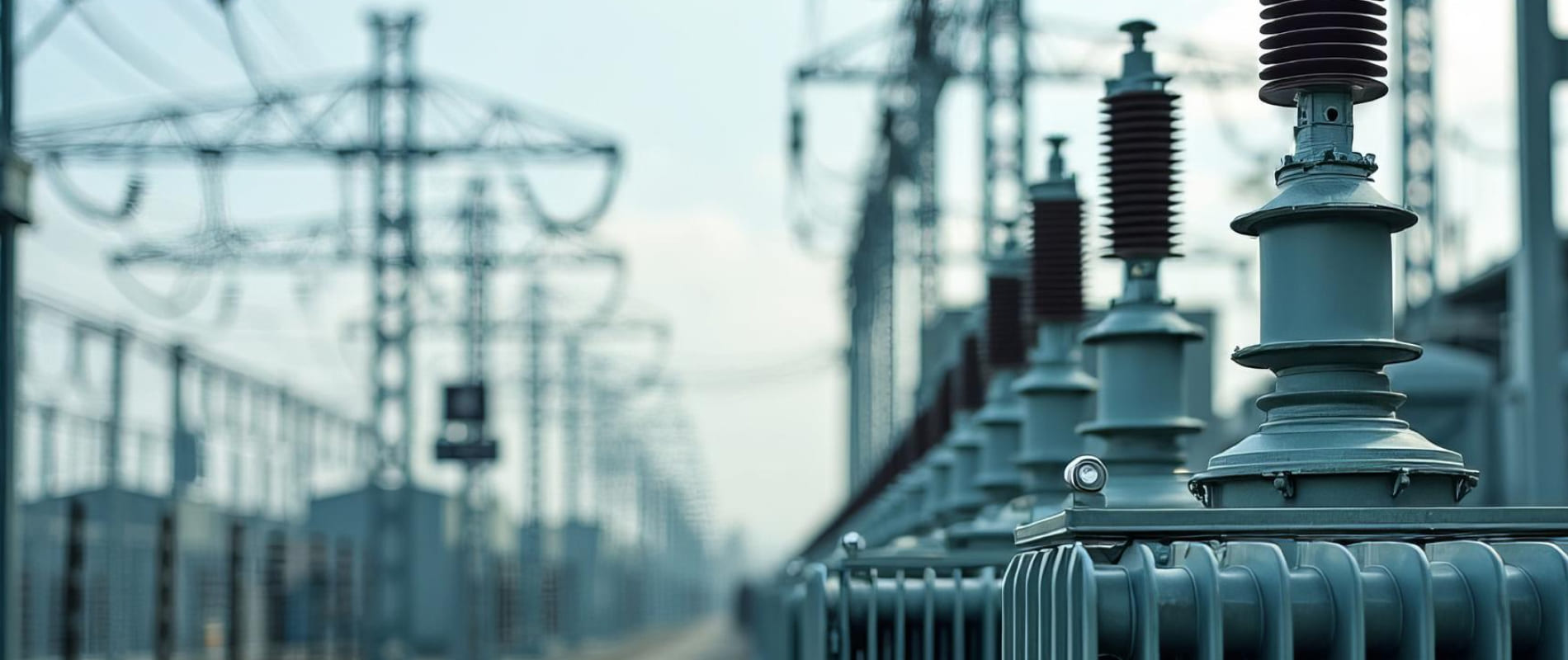
Transformer bushings are built to stay outside for decades, but they are not indestructible. The weather in your area and the type of factories nearby play a huge role in how fast a bushing wears out. If you experience extreme weather, you need to change how you look after your equipment.
You might think a heavy rainstorm is the worst weather for an electrical part, but light fog or dew is actually more dangerous. Rain can wash away dust and dirt from the porcelain surface. Fog, however, just makes the dust wet without washing it off. This creates a damp, dirty layer that conducts electricity easily, leading to a sudden flashover in the early morning.
If your site is in a very hot area or a desert, the sun is your main enemy. The porcelain itself does not mind the heat, but the rubber gaskets and seals do. Constant ultraviolet (UV) light from the sun makes rubber dry, brittle, and hard. Once the rubber loses its bounce, it cracks, and that is when you get oil leaks. In hot climates, seals need to be checked much more often.
In very cold regions, water can get trapped in small gaps around the metal flange or in tiny scratches on the insulator. When the temperature drops below freezing, that water turns to ice and expands. The pressure from freezing ice is strong enough to chip the porcelain or push the seals out of place. Before winter starts, make sure all drainage paths are clear so water cannot sit around the base.
If your transformer is near a chemical plant, a steel mill, or a busy highway, the air contains chemicals. When these chemicals mix with rain, they form a weak acid. This acid rain slowly eats away at the gray glaze on the porcelain and causes the copper terminals to rust. If you notice the metal parts turning green or losing their shiny coating, the environment is attacking the bushing.
You cannot change the weather, but you can prepare for it. If you are near the ocean, clean the salt off more often. If you are in a sunny desert, check the seals for cracks every year. If you are in a heavily polluted industrial zone, consider using protective silicone coatings over the porcelain to give it an extra layer of defense against the dirty air.



WeChat Official Account
+86-757-81230551
+86-18925992735
