
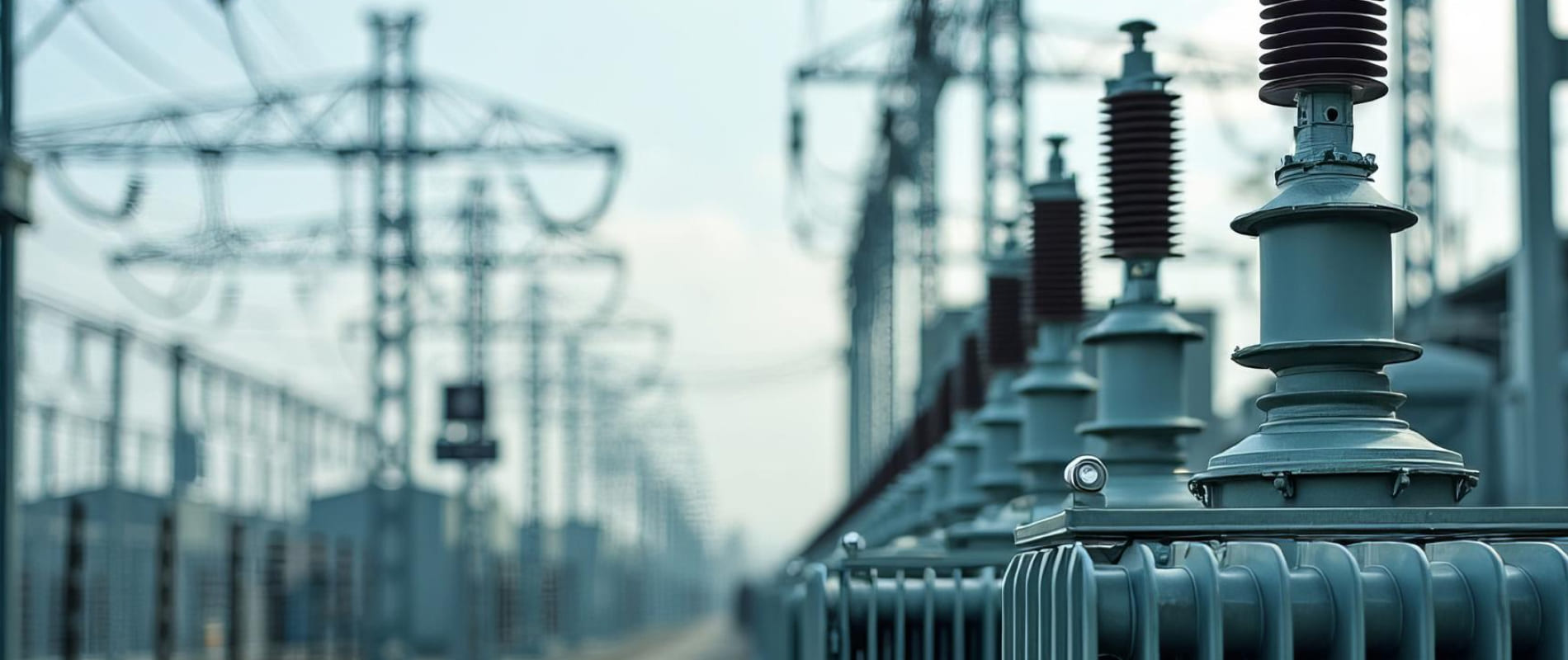
It is easy to look at a rusty transformer tank and think it just needs a fresh coat of paint. Many people treat the metal enclosure as just a box to keep the rain out. In reality, the outside steel skin of a transformer acts like a mirror. Changes in the paint or the appearance of rust often give you early warnings about serious trouble happening inside.
If you see the grey paint on the tank wall starting to blister, bubble, or turn a dark brown color, do not just scrape it off. This happens when a specific spot on the steel sheet gets extremely hot from the inside. Inside the tank, a loose copper busbar or a faulty magnetic shield might be throwing off intense heat. The oil carries this heat to the nearest wall, cooking the paint from the inside out. If the paint is baking off, you have an internal hot spot.
Have you ever noticed a patch of rust that looks dark, wet, and covered in a thick layer of fuzzy dust? This is a classic sign of a "micro-leak." A tiny pinhole weld or a aging gasket allows a microscopic amount of transformer oil to seep out. The oil doesn't drip down; instead, it spreads flat across the steel and catches blowing dust. This wet mixture traps moisture against the metal, speeding up rust. If a rusty patch always looks damp, you have a leak underneath.
Surface rust that you can scratch off with your fingernail is not a big deal. The real danger is "pitting rust," which looks like small, deep craters in the steel. If your factory uses water cooling towers or is located near salt air, this rust can eat through a thick steel plate surprisingly fast. Once a rust pit goes all the way through the tank wall, you will lose oil pressure rapidly, and water will suck into the transformer during the next rainstorm.
The thin metal fins on the sides of the transformer are there to cool the oil. Because they are thin, they rust much faster than the main heavy tank wall. If rust builds up between these narrow fins, it acts like a thick blanket. It stops the wind from cooling the metal. When the radiators cannot dump the heat, the entire transformer runs hotter, which cooks the paper insulation inside and shortens the life of the machine.
Never just paint over rust or oil. The new paint will peel off within a month. First, clean the area with a degreaser to remove every trace of oil. Use a wire brush or a mechanical sander to get down to shiny, bare metal. If you find a deep rust pit, have a qualified welder patch it before applying a high-quality zinc primer. Keeping the outside skin clean and painted is the simplest way to keep the oil inside safe and dry.



WeChat Official Account
+86-757-81230551
+86-18925992735
