
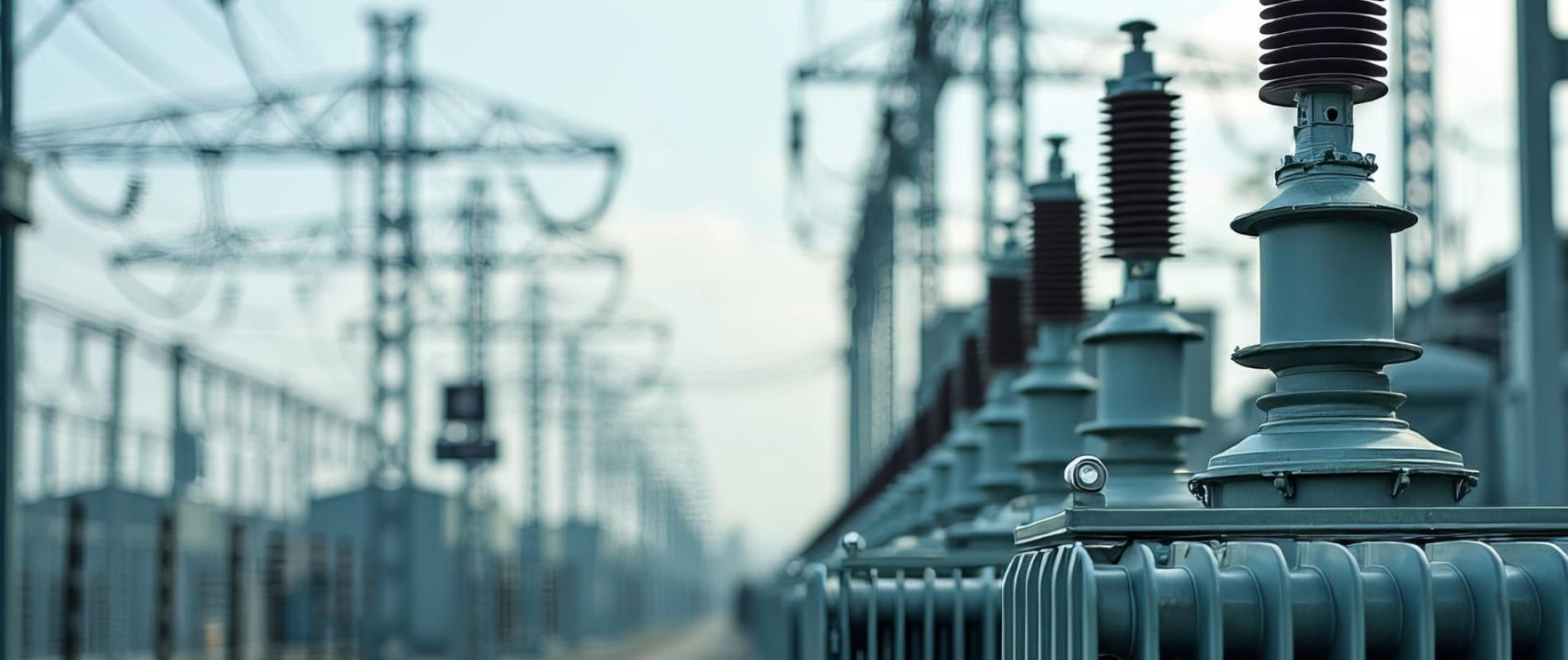
When a porcelain insulator gets coated in industrial dust, sea salt, or grime, everyone knows it needs to be cleaned. A dirty insulator leads to surface leaks and dangerous flashovers.
However, cleaning an insulator isn't like washing your car on a Sunday afternoon. If you use the wrong chemicals or spray water the wrong way, you can easily ruin the equipment or cause a major explosion.
Household soaps leave a conductive film behind
Many people think that grabbing a bucket of kitchen degreaser or common laundry detergent will help cut through tough industrial grease on the porcelain.
The problem is that regular household soaps leave a thin, invisible chemical film on the surface after they dry. This film attracts moisture from the air even faster than plain dirt does.
When the morning fog rolls in, that soap film tu
rns into a wet, slippery layer that conducts electricity easily. Maintenance teams must only use approved, zero-residue electrical cleaners or plain distilled water to wipe down the porcelain.
High-pressure water guns can ruin the seals
It is very tempting to grab a high-pressure power washer and blast the thick grime off a tall insulator from the ground.
While the hard porcelain body can handle strong water pressure without a problem, the rubber gaskets and cement joints at the top and bottom cannot. A strong jet of water can easily slice through an old, softened rubber gasket or force water deep inside the cement line.
Once high-pressure water gets forced past the seal into the transformer oil inside, the whole unit is ruined. Water in the oil will cause a massive internal short circuit the second the power is turned back on.
If you encounter stubborn, baked-on industrial crust or hard bird droppings, your first instinct might be to scrub it off with a wire brush, steel wool, or heavy sandpaper.
This is a huge mistake. As we covered in earlier posts, the smooth, shiny glaze on the outside of the porcelain is its primary defense against dirt and rain. Steel wool and wire brushes leave thousands of microscopic scratches across that shiny skin.
Once you scratch the glaze, the porcelain surface turns rough. Future dirt will embed itself deep into those tiny scratches, making the insulator ten times dirtier next season and almost impossible to wipe clean again.
The safest way to clean a porcelain insulator during a scheduled shutdown is old-fashioned elbow grease.
Use soft cotton rags or microfiber cloths soaked in clean water or solvent made specifically for high-voltage equipment. Start wiping from the top cap and work your way down, cleaning the underside of every single shed disk carefully.
If you find hard crust that won't come off with a soft rag, use a wooden or plastic scraper to gently pop the crust off without scratching the glaze underneath. Keeping the shiny surface smooth is the only way to make sure your cleaning effort actually lasts.



WeChat Official Account
+86-757-81230551
+86-18925992735
