
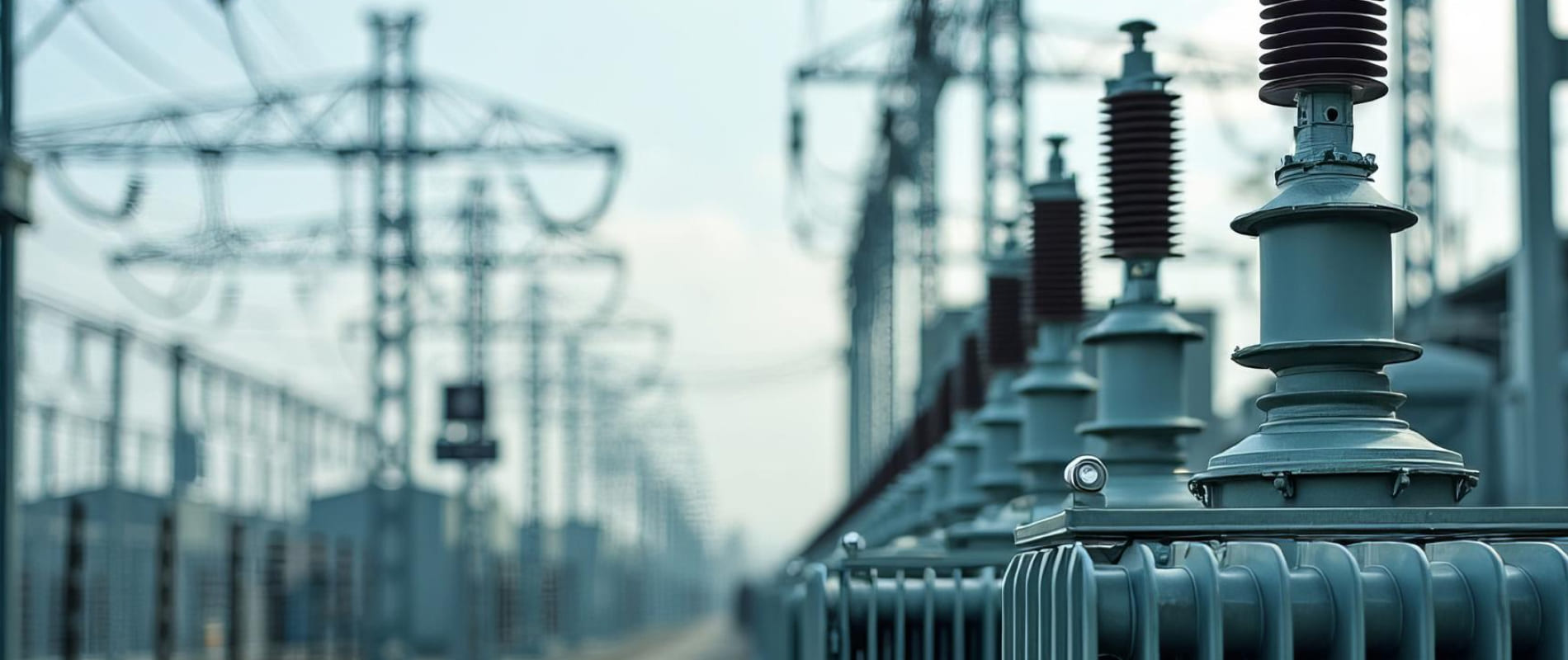
When you look up at a porcelain insulator, you might notice thin lines on the smooth gray surface. Porcelain is hard like glass, so seeing any kind of line can be scary. Some of these marks are just harmless scratches in the outer shiny glaze. Others are deep cracks that mean the insulator is about to snap or explode. Knowing how to tell the difference can save your equipment.
The shiny outer layer of an insulator is called the glaze. Over many years of sitting in the hot sun and freezing winter air, this thin outer skin can expand and contract. This creates a network of very fine, shallow lines that look like a spider web or cracked ice. We call this "crazing." It only sits on the very surface and does not go into the thick brown or gray porcelain underneath. If the lines are tiny and cover the whole unit evenly, it is usually safe to leave it alone.
A real structural crack looks very different from surface crazing. True cracks are usually single, sharp lines that run vertically or cut straight through one of the ridges (the sheds). They look dark because dirt gets trapped inside immediately.
If a crack starts at the metal flange where the insulator connects to the frame, that is a major red flag. The mechanical stress from the heavy wires is pulling the crack open, and the whole insulator could drop the line at any moment.
If you see a suspicious line during a shutdown and aren't sure what it is, wipe the area completely clean with a rag and some degreaser. Then, wipe a damp, muddy cloth over the line and clean the surface off again. If the line disappears, it was just a surface scratch or a mark left by a passing bird. If the dark line stays behind, it means the dirt has settled deep into a physical crack in the porcelain.
You can also use your ears to spot a deep crack. When the air is damp, foggy, or raining, walk near the insulator structure. A healthy porcelain unit is completely silent. If you hear a steady, sharp spitting or hissing sound, electricity is finding its way into a crack. The moisture fills the crack and creates a tiny path for the power to jump down to the ground. If you hear that sound, the insulator needs to be replaced immediately.
Some people ask if they can fix a cracked insulator by putting silicone glue or epoxy over the line. The answer is a firm no. Porcelain relies on its solid, unbroken shape to hold up heavy wires and block thousands of volts. Once a crack goes deep, the mechanical strength is gone, and moisture will always find a way inside. The only safe solution for a cracked porcelain insulator is a brand-new replacement.



WeChat Official Account
+86-757-81230551
+86-18925992735
