
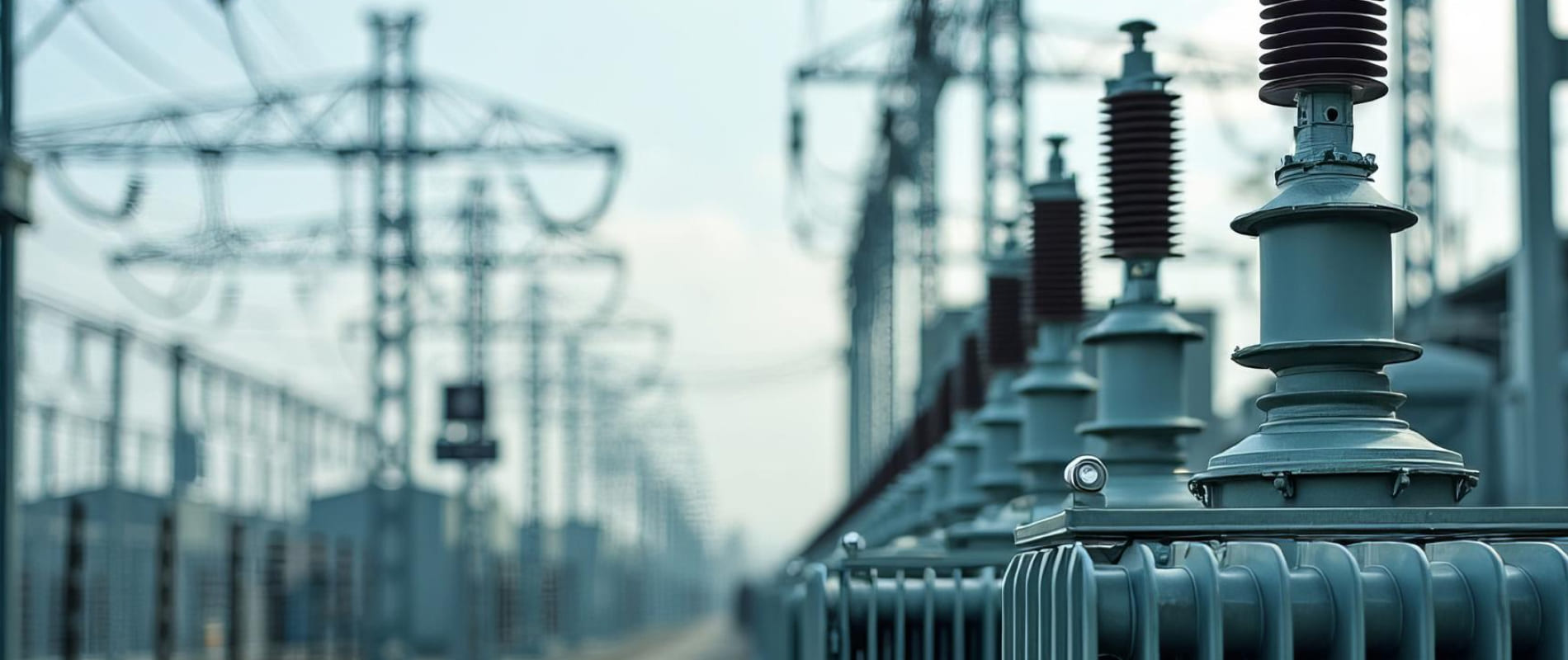
If you work with transformers, you already know that a bushing failure isn't just a small part breaking—it can take down the whole unit and cause a massive, expensive blackout. For a long time, people just checked their bushings every few years on a fixed schedule. But waiting for a calendar date to fix things is risky. It is much better to listen to what the equipment is actually telling you.
Here is how you can move to a predictive setup that catches trouble before it starts.
Stop Watching the Clock, Start Watching the Data
The old way of doing maintenance was to check everything every two years, whether it needed it or not. The problem is that a bushing can look fine in January and fail by June.
Instead, look at the actual health of the unit. You want to track things like Partial Discharge (PD), temperature, and oil condition. By watching these numbers in real-time, you can put your time and money into the bushings that are actually showing signs of wear, rather than wasting time on the ones that are perfectly healthy.
Think of Partial Discharge (PD) as the "sound" of insulation starting to fail. If you just take one measurement, it doesn't tell you much. The real trick is to watch the long-term trend.
If the discharge levels are slowly creeping up over several months, the insulation inside is likely rotting or cracking. If you notice the PD spikes whenever the load gets heavy or the weather gets humid, that is a huge red flag. You want to catch this early, because by the time you can smell or see the damage, it is usually too late to save the bushing.
A Tan Delta test is basically a health check for your insulation. It measures how much energy is being lost through the material.
Establish a baseline: When you first install a bushing, record the numbers.
Watch for jumps: If the "loss" number starts rising, it almost always means moisture has leaked in or the insulation is aging too fast. If you see a steady climb in these readings, you need to pull that bushing for a deeper inspection before it shorts out.
Temperature is one of the easiest ways to spot a problem. You should regularly use infrared cameras to look at the bushing terminals.
Hot Terminals: If one connection is much hotter than the others, you probably have a loose bolt or corrosion building up.
Phase Comparison: If Phase A is 10 degrees hotter than Phase B under the same load, something is wrong inside. By comparing these heat maps to your actual power load, you can tell if the bushing is just working hard or if it is actually failing.
For oil-filled bushings, the oil is like the "blood" of the system. If something is going wrong inside, the oil will show it. You should regularly check for moisture content and dissolved gases (DGA). If you find hydrogen or acetylene gas in the oil, it means there is sparking or extreme overheating happening inside the casing. Also, keep an eye on the oil level. A small leak might not seem like much, but if the oil level drops too low, the top of the insulation dries out and can flash over.
You don't need to monitor every single bushing with the same intensity. Some are just more important than others. When you are planning your maintenance, look at:
Age: Anything over 20 or 25 years old needs a closer eye.
Environment: Bushings near the coast (salt air) or in dusty industrial zones get dirty faster and are prone to "flashovers."
Criticality: If a transformer goes down and it cuts power to an entire hospital or a factory, that bushing gets a top-tier monitoring sensor.
Correlate your data. If your bushing temperature jumps, check the load logs. If the temp stays high even after the load drops, you have an internal fault, not just a heavy workday. Keeping a simple digital log of these trends is much more effective than a stack of paper reports from five years ago.



WeChat Official Account
+86-757-81230551
+86-18925992735
