
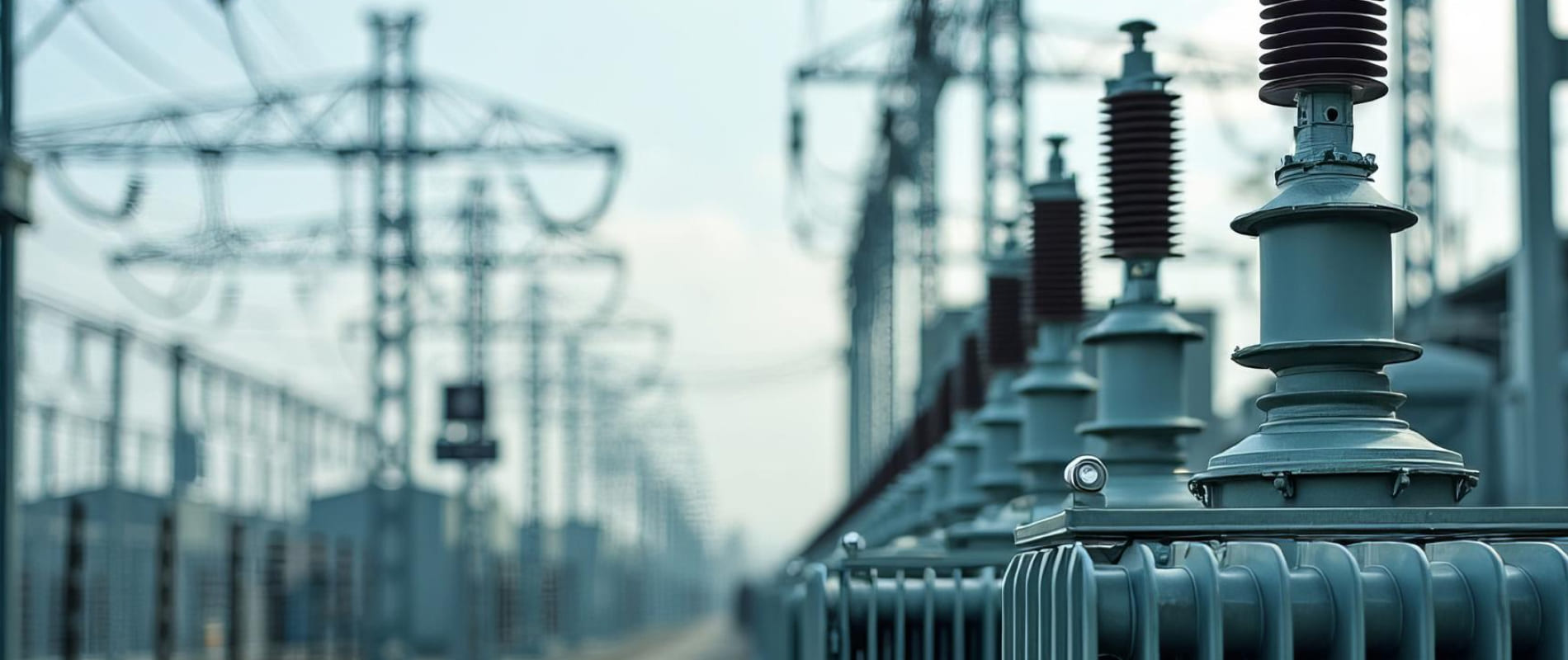
Transformer bushings rarely fail without warning. Most failures are preceded by signs that can be measured. These signs can be electrical, thermal, or mechanical. Detecting them early helps prevent transformer outages, lowers maintenance costs, and improves reliability.
Here are the main ways to spot early problems in transformer bushings.
Partial discharge (PD) is one of the first signs of insulation problems. It happens when small electrical sparks occur inside the bushing. PD can be caused by:
- Voids or gaps inside the insulation
- Moisture getting in
- Layers of insulation separating or small manufacturing defects
- Localized high electrical stress
PD tests can be done while the transformer is running or offline. Rising PD levels or changing patterns often mean the insulation is weakening. For important substations, regular PD checks are a standard practice.
Tan delta testing measures how much energy the insulation absorbs. A rising dissipation factor can indicate:
- Aging insulation
- Moisture inside the bushing
- Heat damage
- Internal PD activity
It’s more useful to track changes over time than to look at one measurement. Gradual increases should trigger further checks.
Infrared cameras can show hot spots on bushings and connections. Common warning signs include:
- Localized hot areas
- Uneven temperature across the bushing
- Terminal temperatures higher than other phases
Overheating may come from high current, bad contacts, or internal insulation issues. Finding these problems early helps avoid faster aging and failures.
Looking at the bushings regularly is still very effective. Technicians should check for:
- Cracks in porcelain
- Damaged glaze or dirt buildup
- Oil leaks around flanges
- Discoloration or burn marks
- Loose or rusty connections
Contaminated surfaces combined with moisture increase the risk of flashover, especially in polluted areas.
For oil-filled bushings, the oil level must stay stable. Falling oil levels can mean:
- Worn seals
- Aging gaskets
- Stress on flange connections
Oil leaks often lead to moisture entering the bushing, which reduces insulation strength and speeds up damage.
Surface leakage current rises when the bushing surface gets dirty. High leakage current may indicate:
- Heavy pollution
- Wet surfaces
- Risk of flashover
In coastal or polluted areas, continuous leakage current checks can give useful early warnings.
Special sensors can hear small internal discharges. These methods are helpful when:
- The bushing is energized
- Offline testing is difficult
- Precise location of discharges is needed
Though advanced, acoustic checks add extra confidence in high-value installations.
One test alone rarely tells the whole story. Tracking changes over time is the most reliable way to detect early problems. Comparing results shows slow deterioration before it becomes critical. Predictive maintenance relies on this approach.
Most transformer bushing failures happen gradually, not suddenly. Electrical stress, moisture, heat, and dirt leave detectable signs long before a breakdown.
Using methods like PD testing, tan delta measurement, infrared imaging, and visual inspection helps reduce risk and extend transformer life.
Early detection is more than maintenance. It is essential for keeping the power system reliable over the long term.



WeChat Official Account
+86-757-81230551
+86-18925992735
