
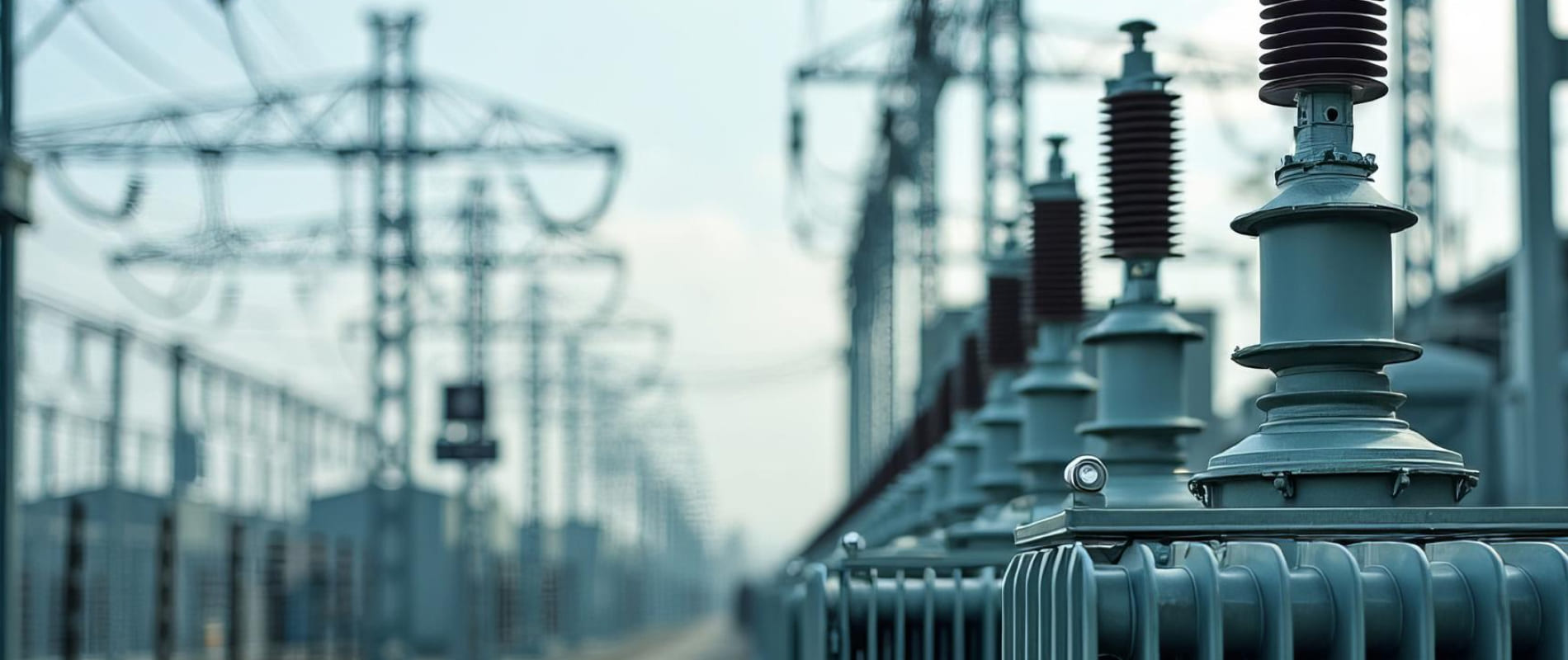
Let's be honest, transformer bushings have a tough job. They're constantly dealing with high voltage, heat swings, and physical stress day in and day out. It's no surprise they eventually wear out. But catching the early signs of these common issues can save you from a major headache—and a costly outage.
1. The Sneaky Invader: Moisture
Moisture is public enemy number one for bushing insulation. When seals get old and brittle, they let damp air in. Before you know it, you've got water inside, which trashes the insulation's ability to withstand voltage and sets the stage for internal arcing.
How to spot and stop it:
Don't just glance at seals during routine checks—get hands-on and feel for brittleness or cracking.
Keep the area around the bushing base clear and dry; avoid letting debris and moisture accumulate.
If a gasket looks even a little questionable, swap it out. It's cheap insurance.
Oil leaks in OIP bushings are like a slow bleed. A small seepage from a flange or fitting might not seem like much, but losing oil means the insulation is degrading, and that can lead to overheating and failure.
How to spot and stop it:
Make checking the oil level a non-negotiable part of your maintenance rounds.
A common culprit is a loose fitting—just make sure you tighten it to the proper spec, not with all your might.
If you see any oil residue, trace it back to the source and replace the sealing ring. Don't just top up the oil and ignore the leak.
Heat and time are the main villains here. The insulation just gets tired and weakens. Throw in some contamination or constant vibration, and the process speeds up significantly.
How to spot and stop it:
Keep an eye on your transformer's operating temperature. Overloading is a fast track to excessive heat.
The real tell-tale sign comes from testing. Regular tan δ (tan delta) or power factor tests are like a medical check-up for your insulation—they'll reveal problems long before a failure happens.
In dusty or coastal areas, grime builds up on the porcelain. This conductive gunk can create a path for small electrical discharges (partial discharge) that eventually burn and carbonize the surface, creating a permanent track.
How to spot and stop it:
In polluted environments, you can't just "set it and forget it." Schedule regular, thorough cleaning.
For a more permanent solution, consider applying a hydrophobic coating or switching to composite polymer bushings, which are much more resistant to this kind of tracking.
This one often comes down to human error. A bushing cracked during transport or installation might not fail immediately, but that crack will grow under operational stress until it lets go.
How to spot and stop it:
Always use the proper lifting gear. These aren't standard hooks and slings.
Secure them properly during transit—they shouldn't be bouncing around.
Before you install, do a very careful visual inspection, especially around the base and flanges. Catching a hairline crack now saves a world of pain later.
Nothing lasts forever. The constant heating up and cooling down slowly fatigues the materials. UV radiation from the sun also takes its toll on the exterior.
How to spot and stop it:
Look for chalkiness, micro-cracks, or discoloration during visual inspections.
An infrared camera is your best friend for spotting hot spots you can't see with the naked eye.
Have a realistic replacement plan for bushings that are nearing or have exceeded their expected service life. Don't push your luck.
This is often the dramatic end result of a dirty surface or a sudden voltage surge from a lightning strike or switching event. The flashover itself can wreck the bushing and damage the transformer it's connected to.
How to spot and stop it:
Make sure the bushing's "creepage distance" (the path over the insulator surface) is long enough for your local environment.
Double-check that everything is grounded correctly.
Installing surge arresters is a smart move to clip those dangerous voltage spikes.
The Bottom Line on Maintenance
It mostly boils down to being proactive, not reactive.
Keep them clean. It's simple but effective.
Watch the data. Oil levels, insulation test results, and thermal images don't lie.
Don't ignore the small stuff. A worn seal is a $50 problem. A failed bushing is a $50,000+ problem.
Listen to the equipment. Regular testing and monitoring gives you the clues you need to prevent a crisis.



WeChat Official Account
+86-757-81230551
+86-18925992735
