
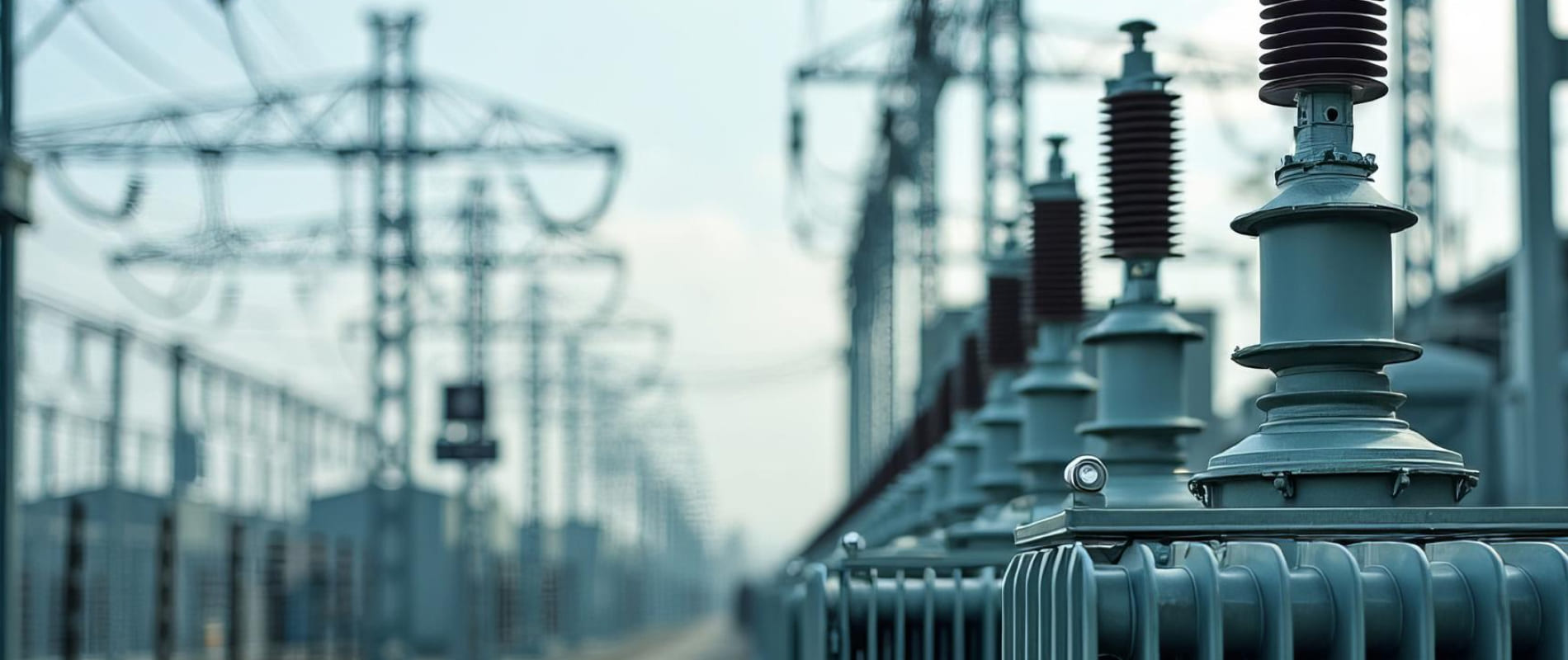
High-voltage electrical equipment demands reliable insulation. Among the options used for decades, porcelain bushings remain a core component in power transmission and distribution. Their strength, stability under heat, and excellent insulating properties make them a dependable choice.
Even as newer polymer and composite bushings gain popularity, porcelain persists. Why does this older technology still matter?
Simply put, a porcelain bushing safely routes an electrical conductor (like a copper or aluminum rod) through a grounded barrier, such as a transformer wall or circuit breaker housing. It prevents dangerous electrical discharges and provides crucial mechanical support, especially outdoors or under high voltage.
Made from fired clay and minerals, porcelain forms a dense, glass-like ceramic. This gives it impressive resistance to heat, moisture, and electrical tracking along its surface – perfect for insulation.
Porcelain's excellent insulating properties withstand very high voltages (11kV and above) without breaking down, making it essential for transmission lines, transformers, and switchgear.
Porcelain offers high mechanical strength. It can handle the pull from conductors, wind pressure, and even earthquake forces without cracking or failing.
Extreme temperature swings don't faze porcelain. It won't warp or degrade from heat, ensuring long life in outdoor installations exposed to sun and weather.
Properly installed porcelain bushings easily last 30 years or more. They need very little maintenance, especially designs with sheds (skirts) that protect against flashovers caused by rain or pollution.
Porcelain bushings are workhorses in high-voltage systems:
- Power Transformers
- Circuit Breakers
- Capacitor Banks
- Gas-Insulated Switchgear (GIS)
- Substation Wall Bushings: They come in various shapes and sizes (like ANSI or IEC standards) to fit global power grid needs.
While lighter composite bushings (silicone rubber/fiberglass) offer benefits like vandal resistance, porcelain hasn't been replaced. Where long-term, proven reliability outweighs initial cost or weight savings, porcelain is often the top choice.
This is especially true in harsh environments like deserts, high altitudes, or coastal areas. Sand, salt spray, and intense UV radiation can degrade polymers much faster than porcelain. For utility engineers prioritizing dependable performance in tough conditions, porcelain often remains the preferred material.
Porcelain bushings have endured for decades for good reason. Their exceptional lifespan, reliability in demanding environments, and proven track record make them fundamental to electrical infrastructure worldwide.
For manufacturers, utilities, and engineers seeking a low-risk, long-term insulating solution, porcelain bushings deliver lasting value – blending time-tested performance with the needs of modern power systems.
We supply precision-engineered porcelain bushings and technical expertise for high-voltage applications. Contact us for product specifications or customization needs.



WeChat Official Account
+86-757-81230551
+86-18925992735
