
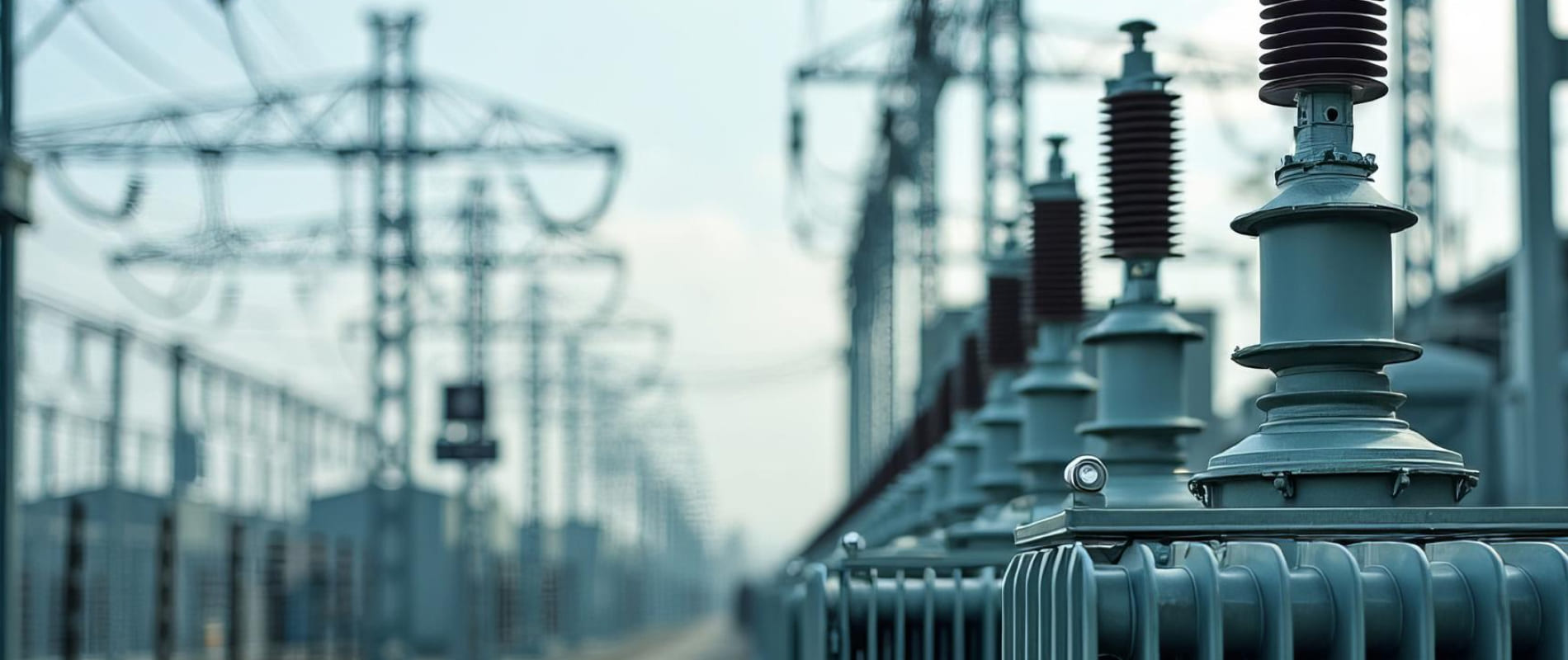
It might seem like a small thing, but a little bit of dust can cause a massive power outage. Many people see bushings covered in dirt and think it’s just a cosmetic issue. In reality, a dirty bushing is a dangerous bushing. Cleaning them is the cheapest way to make your equipment last longer.
Electricity is always looking for a path to the ground. When the porcelain surface is clean, the electricity stays where it belongs because the smooth surface is a great insulator. But when a layer of dust, salt, or factory smoke builds up, it creates a "bridge." When it rains or gets foggy, that dirt turns into a thin layer of conductive mud. The electricity can then "flash" across the surface, causing a loud explosion and cutting off the power.
If your plant is near the ocean, you have a bigger problem: salt. You can’t always see the salt buildup, but it attracts moisture from the air much faster than regular dust. Saltwater conducts electricity very well. In coastal areas, you might need to wipe down your bushings much more often than in dry, inland areas. If you see white crusty spots on the porcelain, you need to clean them immediately.
In some industries, like cement plants or mines, the dust in the air can become very hard when it gets wet and then dries. It turns into a shell that is very difficult to scrub off. If you let this layer get too thick, you might have to use special abrasive cleaners that can scratch the porcelain. It is much easier to do a quick wipe-down once a month than to try and scrape off "rock" after a year.
When electricity "crawls" through dirt, it creates intense heat in tiny spots. This heat can actually burn the porcelain or the resin, leaving permanent black scars called "carbon tracks." Once these tracks are burnt into the material, you can't just wipe them away. The bushing is permanently weakened and will likely need to be replaced much sooner than a clean one.
You don't need fancy chemicals to keep things safe. For most bushings, clean water and a soft cloth are enough. If there is grease, a mild soap or a specific technical solvent works well. The important thing is to not use anything scratchy, like a wire brush, because scratches just give dirt a place to hide. Always make sure the power is completely off and the system is grounded before you start wiping.



WeChat Official Account
+86-757-81230551
+86-18925992735
