
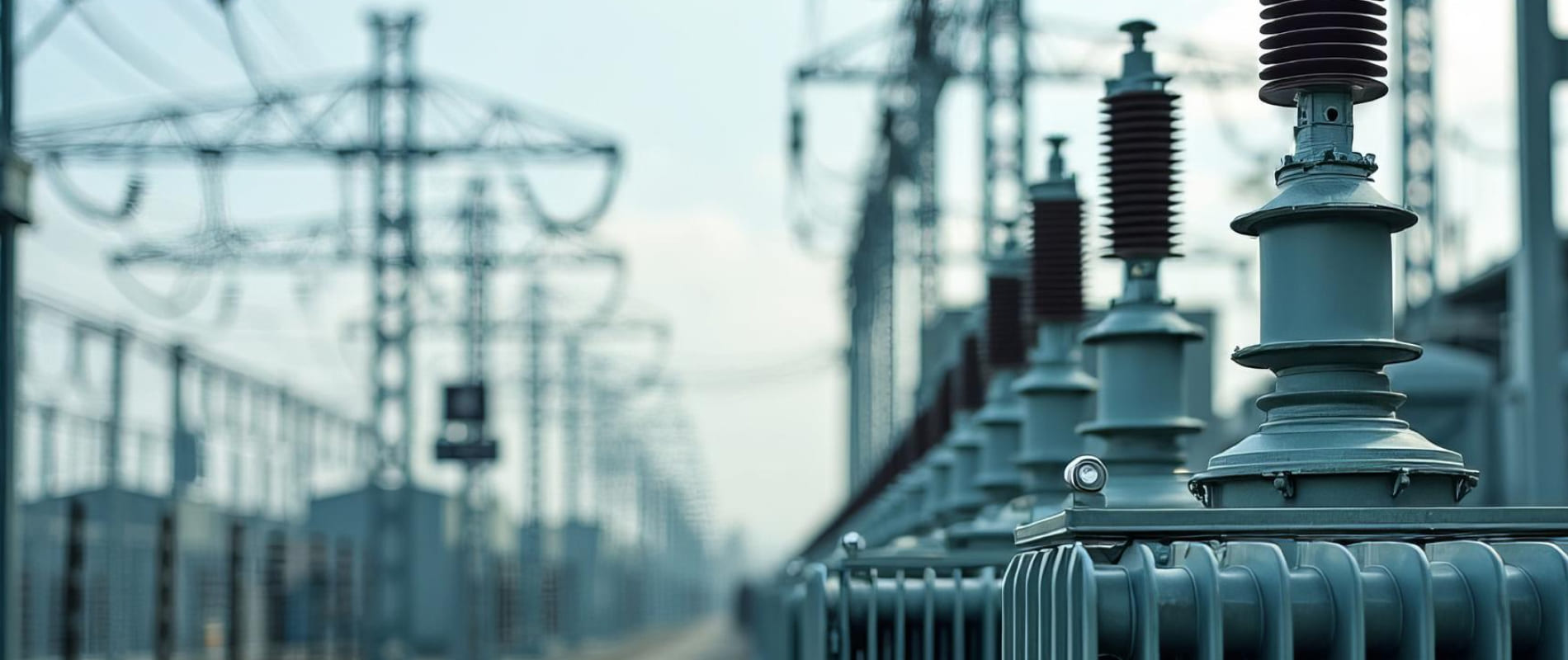
Many people think a bushing is safe as long as it stays in the wooden crate. But the time between the delivery and the actual installation is when a lot of damage happens. If you don't store them correctly, you might find a "brand new" bushing is already broken when you finally need it.
Most bushings should not lie flat on the ground for a long time. They are designed to stand upright or at a specific angle. When they stay horizontal, the internal oil or paper insulation can shift. This creates air pockets inside.
If you have to store them horizontally, make sure you follow the arrows on the box. Before you install a bushing that has been lying down, you usually need to let it stand upright for 24 to 48 hours to let the oil settle.
Even though a bushing works outside in the rain, it shouldn't sit in a damp warehouse for months. Humidity is the enemy of the metal parts and the connection points. If moisture gets into the paper insulation before the unit is sealed, it will fail as soon as you turn the power on.
Keep them in a dry place. If you have to keep them outside, cover them with a heavy tarp, but leave some space for air to move so it doesn't get sweaty inside the plastic.
It sounds obvious, but people treat bushings like solid metal poles. They are actually very fragile. If a crane chain hits the porcelain "sheds" (the ridges), they will chip. A small chip might look like a cosmetic issue, but it changes how electricity flows over the surface.
Use nylon slings instead of metal chains when lifting. Always have a second person on the ground to guide the bushing so it doesn't swing into a wall or another crate.
If the bushing has a small oil sight glass, check it every few months. Temperature changes in the warehouse can make the oil expand and contract. If you see a leak on the floor of the warehouse, the seal is already gone.
It is much easier to fix a leak or return a faulty unit while it is still in the crate than after you have hoisted it 5 meters up onto a transformer.
Bushings come with plastic caps on the top and bottom terminals. Do not take these off until the very last second. These caps keep the copper parts from rusting and prevent dirt from getting into the screw threads.
If you lose a cap, wrap the end in clean plastic and tape it shut. A bit of sand in the threads can ruin the whole connection during the final assembly.



WeChat Official Account
+86-757-81230551
+86-18925992735
